Featured
Table of Contents
There are many kinds of display advertising. Banner ads are an example of display screen marketing. So are desktop and mobile leaderboard ads. Most ads are rectangular or square fit, and the material they contain is generally created to align with that of the host website and the selected audience preferences.
Display ads can target by behavior, context, or site option, each offering special methods to catch user interest. Display advertisements vary significantly in terms of who they target and how they work.
According to Accenture Interactive, 91% of consumers prefer to purchase from brand names that remember their interests and supply offers based upon their requirements. Retargeting advertisements do just that, and they're simple for brands to execute. Here's how they work. To start, position a small section of code onto your site that gathers info about visitors' browsing habits, consisting of when they browse to a category or product page.
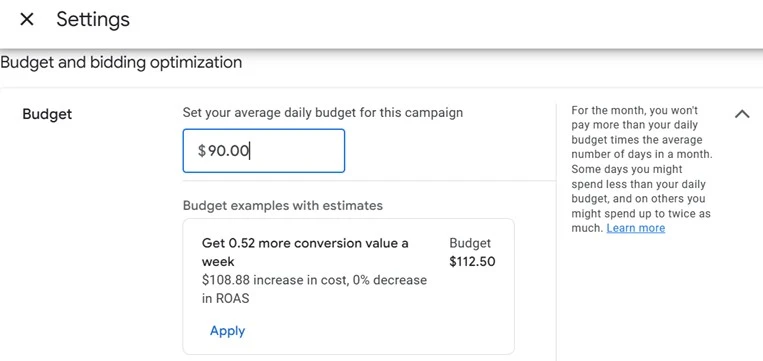
Develop and put display screen ads based on the different categories of interest you have actually observed. A dynamic remarketing project is an effective way to keep your brand name present in the minds of consumers who have actually currently shown interest in what you have to provide.
You can even create ads that reveal customized product recommendations based on a user's current interactions with your site. In addition to remarketing, Google recognizes 4 unique kinds of personalized advertisements. Each integrates general user habits and choices rather than interactions with any specific brand as a targeting alternative. Affinity targeting reveals your ads to customers who have demonstrated an active interest in your market.
Increasing Your Ad Spend Performance
Smaller sized customized affinity groups like "long-distance runners" and "orchid growers" let you get more particular about the interests you want to target. Keep in mind that when you utilize narrower groups, you'll reach smaller audiences. Customized intent and in-market ads target consumers who are actively searching for services or products like yours.
Comparable audience ads target people who have interests or attributes in common with your present visitors. To produce lists of brand-new however comparable audiences, Google compares the profiles of individuals on your remarketing lists with those of other users, then identifies commonness. Rather of showing your advertisements to people based upon their user profiles, contextually targeted ads are put on sites according to particular requirements, including: Your advertisement's subject and keywords Your language and place choices The host website's overarching theme The browsing histories of the site's current visitors You can let Google make these determinations, or you can take an active role in it yourself through subject targeting.
It also lets you particularly leave out topics that are underperforming or unassociated to your message. Subject targeting is a lot like affinity targeting, other than that your ads are matched with websites rather than users.
You can even combine positioning targeting with contextual targeting. With this method, you choose a website and let Google select the most appropriate pages for your ad. If you count offline as well as online advertisements, show advertising is as old as company itself. The web's very first show ad was a 1994 AT&T ad, and they have actually been increasing in prevalence ever since.
Native advertisements are designed to mix in with the other content on a page. Native ads are less obvious than screen advertisements and can often reach users who have advertisement obstructing software application made it possible for.
Improving Paid Media Performance
There's always the risk that when they reach the end and discover out that the post or post they just read was advertising, they'll end up sensation fooled. Native marketing marketers likewise run the risk of hiding their brand logo and information too well. There's an opportunity that readers might not notice it, not to mention remember it.
Before you decide whether or not to invest in display ads, consider the benefits and downsides. Unlike native ads that mimic editorial content, display ads are clearly ads.
Even when individuals scroll past these messages, they still make an impression. Compared to other types of digital advertising, display ads do not need complex combination with publisher sites.
All you require is a knowledge of targeting techniques. If you sell home devices, you could publish customized intent advertisements to reach individuals who have been searching for brand-new models of ranges or washing machines.
While fairly few individuals in fact click display screen ads, they can assist you reach the biggest section in your target audience. Their reach is as broad as that of standard advertising while being less meddlesome. A screen advertisement is much less disruptive than a television or radio area, especially if it's been matched with pertinent content.
When Digital Advertising Scales Your Business
Overt marketing makes many individuals feel annoyedand when individuals are irritated with online ads, they tend to use ad obstructing software application so that they do not see them at all. Display ads are meant to provide your message as rapidly and just as possible, but their brief length can work versus them.
While screen marketing works, it most likely will not be the genuine powerhouse behind your marketing method. Click-through rates for banner ads balance around 0.1%, a lower overall than many other types of online advertising. This typically translates to reduce conversions. The majority of people see banner advertisements early on in their buying journey, so they're best used as part of a long-lasting marketing strategy.
In order to correctly allocate resources and run an effective project, you need to determine the efficiency of your screen advertisements. Whether you're using Google Ads or another platform, you can track campaign efficiency throughout the whole project and make changes where essential. There are a few essential metrics to watch on when measuring your project, including:: Impressions are the number of times your advertisement was displayed on a site.

Latest Posts
Key Impact of Strategic Non-Profit Alliances
Turning Search Traffic to Revenue
Developing Impactful Local Engagement Frameworks